This profile has not been translated into English yet. It is shown in French, the reference language (automatic translation tools in your browser can help). Legal statuses and counts are shown in English.

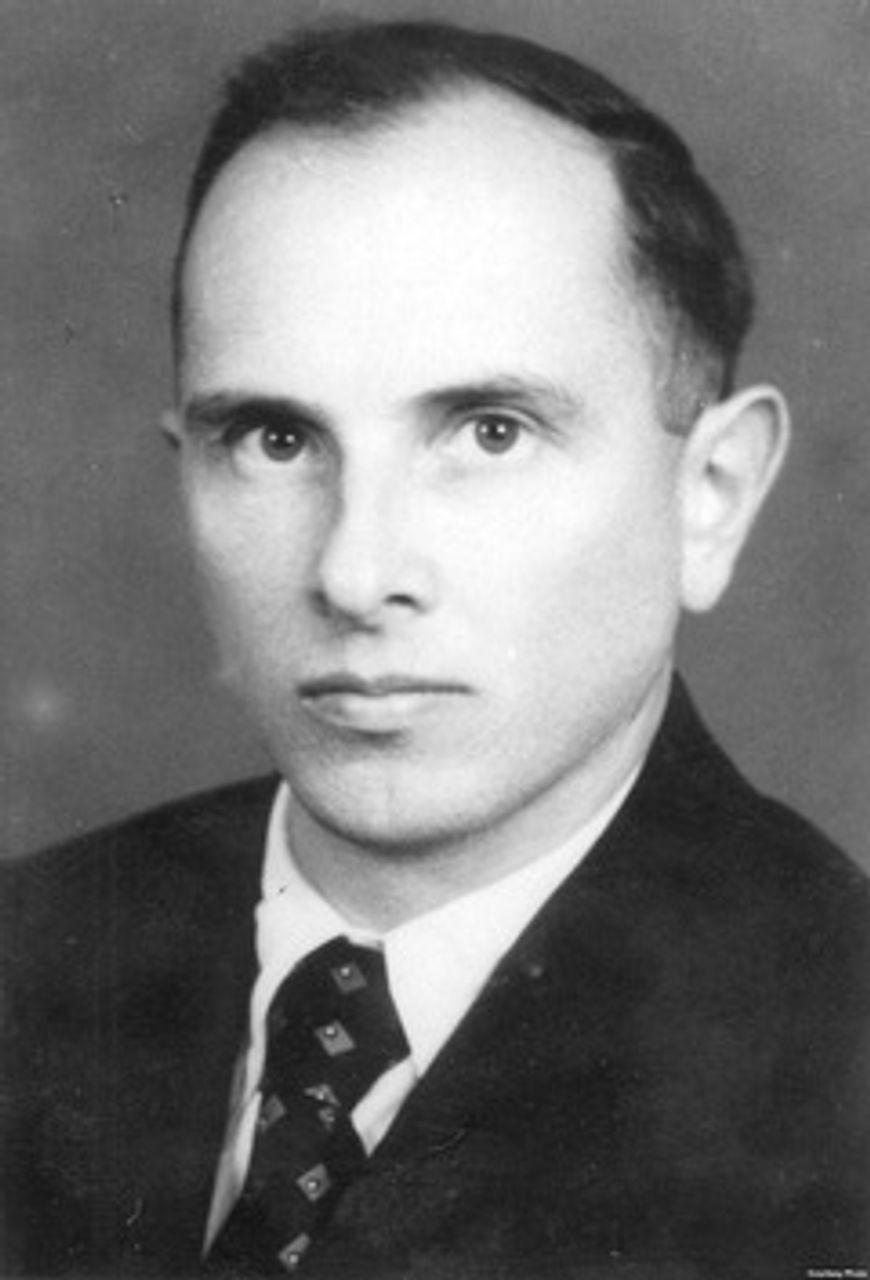
Portrait of Stepan Bandera

Portrait: Wikidata/Wikimedia Commons — See Wikimedia Commons source page · source

Politique / régimes / guerre

Stepan Bandera

Fiche documentée couvrant 12 controverses, dont « 1933–1934 : orientation de l’OUN vers le terrorisme individuel et préparation d’assassinats ciblés » et « 1934 : préparation de l’assassinat du ministre polonais Bronisław Pieracki ».

Your opinion of this profile

Profile No. 2584 · Updated on 25 September 2026

12Documented controversies
4Sources
0Formal charge · all time
2Convictions

I. Documented controversies

01

1948–années 1950

1948–années 1950 : lutte pour le contrôle de l’OUN en exil et coopération avec le MI6 pour infiltrer des agents en URSS

Status not specified

Not yet available in English — French original shown.

Après-guerre, Bandera resta à la tête d’une faction de l’OUN en exil, entra en conflit avec d’autres nationalistes sur son style de direction et, à partir de 1949, coopéra avec le renseignement britannique MI6, qui utilisa ses réseaux pour envoyer des agents en Union soviétique.

Sources · 1

  1. [1]
    Institute of National Remembrance (Poland)Stepan Bandera - leader of the Organisation of Ukrainian NationalistsHigh reliability

Last verified: 15 September 2026

02

27 septembre 1944–1945

1944 : libération de Sachsenhausen et reprise de contacts avec l’Allemagne pour des opérations antisoviétiques

Status not specified

Not yet available in English — French original shown.

À l’automne 1944, alors que la situation militaire du Reich s’effondrait, Bandera fut libéré de Sachsenhausen dans le cadre de nouvelles tentatives allemandes de mobiliser des forces ukrainiennes contre l’URSS et de développer sabotage et renseignement.

Sources · 1

  1. [1]
    Institute of National Remembrance (Poland)Stepan Bandera - leader of the Organisation of Ukrainian NationalistsHigh reliability

Last verified: 15 September 2026

03

juillet 1941–27 septembre 1944

1941–1944 : arrestation par les nazis puis détention à Sachsenhausen après son refus de renoncer à la proclamation d’indépendance

Status not specified

Not yet available in English — French original shown.

Les autorités allemandes arrêtèrent Bandera après qu’il eut refusé d’annuler la proclamation d’État ukrainien. Il fut détenu à Berlin puis dans le camp de concentration de Sachsenhausen jusqu’en septembre 1944.

Sources · 2

  1. [1]
    Encyclopedia of UkraineBandera, StepanHigh reliability
  2. [2]
    Institute of National Remembrance (Poland)Stepan Bandera - leader of the Organisation of Ukrainian NationalistsHigh reliability

Last verified: 15 September 2026

04

1943–1944

1943–1944 : massacres de Polonais par l’OUN-B/UPA pendant son internement — responsabilité directe très limitée ou non établie

Status not specified

Not yet available in English — French original shown.

L’OUN-B et l’UPA menèrent en Volhynie puis en Galicie orientale une campagne de massacres et d’expulsions contre les Polonais. L’IPN souligne que Bandera était emprisonné en Allemagne et que l’étendue de ses contacts avec la direction clandestine reste inconnue.

Sources · 1

  1. [1]
    Institute of National Remembrance (Poland)Stepan Bandera - leader of the Organisation of Ukrainian NationalistsHigh reliability

Last verified: 15 September 2026

05

1940–avril 1941

1940–1941 : scission OUN-B et adoption d’un programme autoritaire, ultranationaliste et marqué par des références fascistes

Status not specified

Not yet available in English — French original shown.

Après la scission de l’OUN, Bandera dirigea l’OUN-B. L’IPN relève qu’au congrès de Cracovie de 1941 furent adoptés des principes, symboles et rituels proches du fascisme, tandis que le mouvement préparait une « révolution nationale » autoritaire et violente.

Sources · 1

  1. [1]
    Institute of National Remembrance (Poland)Stepan Bandera - leader of the Organisation of Ukrainian NationalistsHigh reliability

Last verified: 15 September 2026

06

1940–juin 1941

1940–1941 : coopération avec des structures militaires et de renseignement allemandes avant Barbarossa

Status not specified

Not yet available in English — French original shown.

Dans la préparation de la guerre germano-soviétique, l’OUN-B entretint des liens avec des milieux militaires allemands, participa à la formation d’unités ukrainiennes et organisa des groupes destinés à suivre l’avancée allemande en territoire soviétique.

Sources · 2

  1. [1]
    Encyclopedia of UkraineBandera, StepanHigh reliability
  2. [2]
    Institute of National Remembrance (Poland)Stepan Bandera - leader of the Organisation of Ukrainian NationalistsHigh reliability

Last verified: 15 September 2026

07

30 juin 1941

30 juin 1941 : proclamation d’un État ukrainien sous la direction de Bandera avec annonce de coopération avec l’Allemagne

Status not specified

Not yet available in English — French original shown.

À Lviv, les cadres de l’OUN-B proclamèrent le rétablissement d’un État ukrainien « sous la direction de Stepan Bandera ». Le texte annonçait une coopération avec l’Allemagne dans la guerre contre Moscou, et Bandera désigna Yaroslav Stetsko à la tête du gouvernement.

Sources · 2

  1. [1]
    Encyclopedia of UkraineProclamation of Ukrainian statehood, 1941High reliability
  2. [2]
    Encyclopedia of UkraineBandera, StepanHigh reliability

Last verified: 15 September 2026

08

juin–juillet 1941

Juin–juillet 1941 : pogroms antijuifs en Ukraine occidentale et rôle de l’OUN-B — responsabilité personnelle de Bandera non démontrée

Status not specified

Not yet available in English — French original shown.

Des militants et structures liés à l’OUN-B participèrent à l’incitation et à des violences antijuives dans l’Ukraine occidentale au moment de l’invasion allemande. Le mouvement de Bandera constitue donc un contexte organisationnel important des pogroms de 1941.

Sources · 2

  1. [1]
    United States Holocaust Memorial MuseumThe Lwów Pogrom of July 1, 1941Very high reliability
  2. [2]
    Institute of National Remembrance (Poland)Stepan Bandera - leader of the Organisation of Ukrainian NationalistsHigh reliability

Last verified: 15 September 2026

09

15 juin 1934 / procès 1935–1936

1934 : préparation de l’assassinat du ministre polonais Bronisław Pieracki

Conviction

Not yet available in English — French original shown.

Des militants de l’OUN assassinèrent le ministre polonais de l’Intérieur Bronisław Pieracki. Bandera fut poursuivi pour son rôle de dirigeant et d’organisateur dans cette campagne clandestine et condamné à mort, peine ensuite commuée en réclusion à perpétuité.

Sources · 1

  1. [1]
    Institute of National Remembrance (Poland)Stepan Bandera - leader of the Organisation of Ukrainian NationalistsHigh reliability

Last verified: 15 September 2026

10

1935–1936

1935–1936 : deux procès en Pologne, condamnations à mort puis à perpétuité pour activités terroristes de l’OUN

Conviction

Not yet available in English — French original shown.

Bandera fut jugé à Varsovie puis à Lviv pour son rôle dans les activités clandestines et violentes de l’OUN. Il reçut des condamnations à mort, ensuite commuées en peines de réclusion à perpétuité, et demeura emprisonné jusqu’à l’effondrement de l’État polonais en 1939.

Sources · 1

  1. [1]
    Institute of National Remembrance (Poland)Stepan Bandera - leader of the Organisation of Ukrainian NationalistsHigh reliability

Last verified: 15 September 2026

11

1933–1934

1933–1934 : orientation de l’OUN vers le terrorisme individuel et préparation d’assassinats ciblés

Status not specified

Not yet available in English — French original shown.

Devenu chef de l’Exécutif national de l’OUN en Galicie, Bandera poussa l’organisation vers le terrorisme individuel contre des responsables polonais et des Ukrainiens qualifiés de collaborateurs. L’IPN décrit un rôle personnel dans la sélection d’exécutants et la préparation détaillée d’attentats.

Sources · 1

  1. [1]
    Institute of National Remembrance (Poland)Stepan Bandera - leader of the Organisation of Ukrainian NationalistsHigh reliability

Last verified: 15 September 2026

12

25 juillet 1934

1934 : meurtre du directeur d’école ukrainien Ivan Babiy, considéré comme « traître » par l’OUN

Status not specified

Not yet available in English — French original shown.

Ivan Babiy, directeur d’un établissement ukrainien à Lviv qui s’opposait à la propagande de l’OUN dans son école, fut assassiné par l’organisation. Les sources de l’IPN relient la décision à la ligne de Bandera, qui considérait l’attitude de Babiy comme une trahison.

Sources · 1

  1. [1]
    Institute of National Remembrance (Poland)Stepan Bandera - leader of the Organisation of Ukrainian NationalistsHigh reliability

Last verified: 15 September 2026

II. Constellation of documented links

Each link refers to an imported relation or to a documented mention in a profile. A documented mention does not, on its own, prove a personal relationship.

List of documented links
    • Cross-mention: “Attribution du titre de Héros de l'Ukraine à Stepan Bandera quelques jours avant la fin de son mandat” — Viktor Yushchenko's profile cites Stepan Bandera.

III. Your opinion of this profile

One opinion per browser, which you can change at any time. It rates the quality of the profile, not the person.

IV. Has something changed?

A new court decision, a missing source, a mistake? Tell us what should be updated: every request is read by the editorial team.