This profile has not been translated into English yet. It is shown in French, the reference language (automatic translation tools in your browser can help). Legal statuses and counts are shown in English.

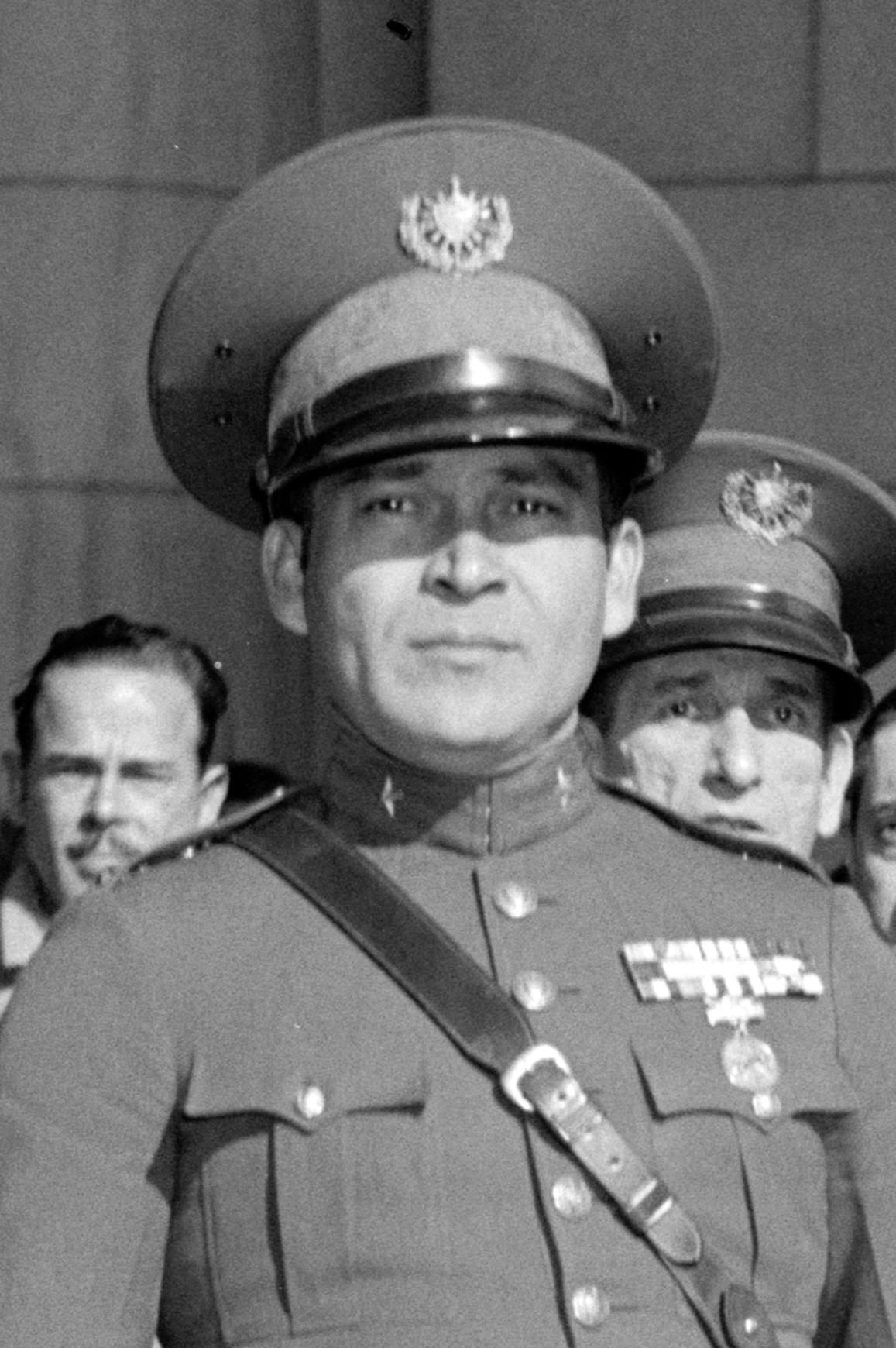
Portrait of Fulgencio Batista

Portrait: Wikidata/Wikimedia Commons — See Wikimedia Commons source page · source

Politique / régime autoritaire / corruption / répression

Fulgencio Batista

Fiche documentée couvrant 10 controverses, dont « 1933 : rôle moteur dans la « révolte des sergents » et prise de contrôle durable de l’armée » et « 10 mars 1952 : coup d’État militaire, annulation des élections et gouvernement par décret ».

Your opinion of this profile

Profile No. 1998 · Updated on 25 September 2026

10Documented controversies
8Sources
0Formal charge · all time
0Conviction

I. Documented controversies

01

1 janvier 1959

1er janvier 1959 : fuite de Cuba et effondrement du régime

Status not specified

Not yet available in English — French original shown.

Face à l’effondrement militaire, à l’impopularité du régime et à l’avancée révolutionnaire, Batista quitte précipitamment Cuba et part en exil.

Attribution
Directly implicated

Sources · 2

  1. [1]
    U.S. Department of State – Office of the HistorianMilitary Causes for the Collapse of the Batista RegimeVery high reliability
  2. [2]
    U.S. Department of StateCuba: Country InformationVery high reliability

Last verified: 14 September 2026

02

décembre 1956–1958

1956–1958 : suspensions répétées des garanties constitutionnelles et censure de la presse

Status not specified

Not yet available in English — French original shown.

Les garanties constitutionnelles sont suspendues durant de longues périodes ; la presse est censurée et la liberté d’expression, de réunion et d’opposition fortement restreinte.

Attribution
Directly implicated

Sources · 2

  1. [1]
    U.S. Department of State – Office of the HistorianU.S. recommendations to Batista on constitutional guaranteesVery high reliability
  2. [2]
    U.S. Department of State – Office of the HistorianPresent Conditions in Cuba, 1958Very high reliability

Last verified: 14 September 2026

03

1957–1958

1957–1958 : brutalités policières, torture, arrestations arbitraires et exécutions extrajudiciaires alléguées

Status not specified

Not yet available in English — French original shown.

Les rapports diplomatiques décrivent un régime gouvernant « d’une main de fer », avec arrestations arbitraires, torture et ordres de ne pas faire de prisonniers lors de certaines opérations de répression.

Attribution
Directly implicated

Sources · 1

  1. [1]
    U.S. Department of State – Office of the HistorianPresent Conditions in Cuba, 1958Very high reliability

Last verified: 14 September 2026

04

1957–1958

1957–1958 : ingérence policière dans la justice et départ forcé de magistrats

Protagonist not prosecuted

Not yet available in English — French original shown.

Protagonist not prosecuted — these proceedings are not counted in their formal charges or convictions.

Neuf juges sont renvoyés après avoir protesté contre l’ingérence de la police dans la justice ; d’autres magistrats et avocats sont menacés ou poussés à l’exil.

Attribution
Directly implicated
Role of the person profiled
Protagonist not prosecuted

Sources · 1

  1. [1]
    U.S. Department of State – Office of the HistorianPresent Conditions in Cuba, 1958Very high reliability

Last verified: 14 September 2026

05

1957–1958

1957–1958 : maintien de groupes armés pro-régime liés à Rolando Masferrer

No legal proceedings

Not yet available in English — French original shown.

Des responsables américains recommandent à Batista de dissoudre progressivement les groupes de choc de Masferrer, décrits comme particulièrement détestés et associés à des brutalités politiques.

Sources · 1

  1. [1]
    U.S. Department of State – Office of the HistorianU.S. recommendations to Batista on constitutional guaranteesVery high reliability

Last verified: 14 September 2026

06

novembre 1958

1958 : élection présidentielle organisée sous suspension des libertés et très faible confiance publique

Status not specified

Not yet available in English — French original shown.

Le scrutin destiné à organiser la succession de Batista se tient alors que les garanties constitutionnelles restent suspendues. L’ambassade américaine relève une forte apathie, une participation très faible dans certaines zones et des soupçons de fraude.

Attribution
Directly implicated

Sources · 1

  1. [1]
    U.S. Department of State – Office of the HistorianElections and political climate in Cuba, 1958Very high reliability

Last verified: 14 September 2026

07

1954

1954 : élections entachées d’intimidation et de corruption

Status not specified

Not yet available in English — French original shown.

Les élections de 1954 se déroulent dans un environnement marqué par l’intimidation et la corruption selon les documents diplomatiques américains ; l’opposition principale se retire avant le vote.

Attribution
Directly implicated

Sources · 1

  1. [1]
    U.S. Department of State – Office of the HistorianPolitical Situation in the Island RepublicsVery high reliability

Last verified: 14 September 2026

08

mars 1952

10 mars 1952 : coup d’État militaire, annulation des élections et gouvernement par décret

Status not specified

Not yet available in English — French original shown.

Candidat à l’élection de 1952, Batista prend le pouvoir par un coup d’État trois mois avant le scrutin, dépose Carlos Prío, suspend les élections et gouverne par décret.

Attribution
Directly implicated

Sources · 2

  1. [1]
    U.S. Department of State – Office of the HistorianEditorial Note on Batista coup, March 1952Very high reliability
  2. [2]
    U.S. Department of StateCuba: Country InformationVery high reliability

Last verified: 14 September 2026

09

années 1950

1950s : corruption du régime et enrichissement personnel

Status not specified

Not yet available in English — French original shown.

À la chute du régime, de hauts responsables américains discutent d’éléments de corruption et estiment que Batista a amassé plusieurs millions de dollars par des pratiques corruptives.

Attribution
Directly implicated

Sources · 1

  1. [1]
    U.S. Department of State – Office of the HistorianNSC discussion of Batista corruption and asylumVery high reliability

Last verified: 14 September 2026

10

septembre 1933

1933 : rôle moteur dans la « révolte des sergents » et prise de contrôle durable de l’armée

Status not specified

Not yet available in English — French original shown.

Batista émerge comme chef de la révolte des sous-officiers de 1933, prend le contrôle de l’armée et devient le principal arbitre politique, faisant et défaisant plusieurs présidences avant d’être lui-même élu en 1940.

Attribution
Directly implicated

Sources · 1

  1. [1]
    U.S. Department of State – Office of the HistorianPolitical Situation in the Island RepublicsVery high reliability

Last verified: 14 September 2026

II. Constellation of documented links

Each link refers to an imported relation or to a documented mention in a profile. A documented mention does not, on its own, prove a personal relationship.

List of documented links
  1. Mars1 reference
    • Mentioned in “10 mars 1952 : coup d’État militaire, annulation des élections et gouvernement par décret” — Fulgencio Batista's profile cites Mars.
  2. Meyer Lansky1 reference
    • Cross-mention: “années 1940–1958 : expansion des casinos à Cuba sous Batista et accusations de collusion avec le pouvoir” — Meyer Lansky's profile cites Fulgencio Batista.

III. Your opinion of this profile

One opinion per browser, which you can change at any time. It rates the quality of the profile, not the person.

IV. Has something changed?

A new court decision, a missing source, a mistake? Tell us what should be updated: every request is read by the editorial team.