This profile has not been translated into English yet. It is shown in French, the reference language (automatic translation tools in your browser can help). Legal statuses and counts are shown in English.

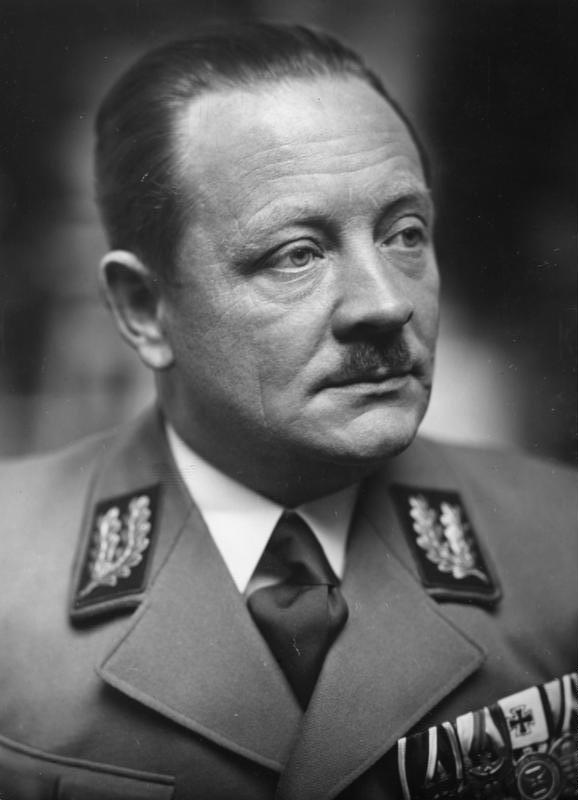
Portrait of Erich Koch

Portrait: Wikidata/Wikimedia Commons — See Wikimedia Commons source page · source

nazisme / occupation / travail forcé / crimes de guerre

Erich Koch

Fiche documentée couvrant 8 controverses, dont « 1928–1945 : construction d’un pouvoir autoritaire comme Gauleiter de Prusse-Orientale et propagandiste nazi » et « 1941–1944 : chef de l’administration civile du district de Białystok et responsabilité dans les crimes contre Polonais et Juifs ».

Your opinion of this profile

Profile No. 2648 · Updated on 25 September 2026

8Documented controversies
6Sources
1Formal charge · all time1 pending
2Convictions

I. Documented controversies

01

9 mars 1959–12 novembre 1986

1959–1986 : condamné à mort pour crimes de guerre, peine non exécutée puis détention à vie

Conviction

Not yet available in English — French original shown.

Le tribunal de Varsovie condamne Koch à mort en 1959 pour avoir planifié, préparé et organisé des meurtres de masse de civils polonais et juifs. La peine n’est jamais exécutée, notamment en raison de son état de santé ; il meurt en prison en 1986.

Sources · 2

  1. [1]
    Instytut Pamięci NarodowejWyrok na Ericha Kocha – 9 marca 1959Very high reliability
  2. [2]
    Portal Rheinische Geschichte / LVRErich KochHigh reliability

Last verified: 14 September 2026

02

1949–1958

1949–1958 : arrestation britannique, extradition en Pologne puis huit années de détention avant procès

Status not specified

Not yet available in English — French original shown.

Démasqué et arrêté à Hambourg en 1949, Koch est extradé à la Pologne en janvier 1950. Son procès ne commence qu’en octobre 1958, après une très longue détention sans jugement.

Sources · 2

  1. [1]
    Instytut Pamięci NarodowejWyrok na Ericha Kocha – 9 marca 1959Very high reliability
  2. [2]
    dzieje.pl / PAPProces Ericha KochaHigh reliability

Last verified: 14 September 2026

03

1928–1945

1928–1945 : construction d’un pouvoir autoritaire comme Gauleiter de Prusse-Orientale et propagandiste nazi

No legal proceedings

Not yet available in English — French original shown.

Envoyé en Prusse-Orientale par Hitler, Koch bâtit un appareil régional particulièrement autoritaire, devient Gauleiter puis Oberpräsident et utilise notamment le journal Preussische Zeitung comme organe de propagande nazie.

Legal status — source text
Not applicable

Sources · 2

  1. [1]
    Instytut Pamięci NarodowejWyrok na Ericha Kocha – 9 marca 1959Very high reliability
  2. [2]
    Portal Rheinische Geschichte / LVRErich KochHigh reliability

Last verified: 14 September 2026

04

été 1944–janvier 1945

1944–1945 : opposition tardive à l’évacuation de la Prusse-Orientale malgré l’avance soviétique

Status not specified

Not yet available in English — French original shown.

Koch s’oppose pendant des mois à une évacuation précoce de la population de Prusse-Orientale, afin de ne pas affaiblir le discours de résistance jusqu’au bout. Lorsque l’évacuation devient inévitable, elle se déroule dans le chaos et sous la pression de l’offensive soviétique.

Sources · 2

  1. [1]
  2. [2]
    Portal Rheinische Geschichte / LVRErich KochHigh reliability

Last verified: 14 September 2026

05

1941–1944

1941–1944 : chef de l’administration civile du district de Białystok et responsabilité dans les crimes contre Polonais et Juifs

Conviction

Not yet available in English — French original shown.

Koch dirige l’administration civile du district de Białystok. Les crimes commis contre les populations polonaise et juive dans les territoires placés sous son autorité seront au cœur de son procès polonais d’après-guerre.

Sources · 2

  1. [1]
    Instytut Pamięci NarodowejWyrok na Ericha Kocha – 9 marca 1959Very high reliability
  2. [2]
    Instytut Pamięci NarodowejNieukarany zbrodniarz Erich KochVery high reliability

Last verified: 14 September 2026

06

septembre 1941–1944

1941–1944 : Reichskommissar d’Ukraine — politique d’occupation raciste fondée sur violence, extraction et terreur

Formally charged

Not yet available in English — French original shown.

Comme Reichskommissar d’Ukraine, Koch défend une politique coloniale brutale faisant passer les quotas de denrées et de main-d’œuvre avant la vie de la population locale. Son administration devient synonyme de répression, de pillage et de terreur.

Sources · 2

  1. [1]
    Portal Rheinische Geschichte / LVRErich KochHigh reliability
  2. [2]
    Encyclopedia of UkraineKoch, ErichHigh reliability

Last verified: 14 September 2026

07

1941–1944

1941–1944 : déportation massive d’Ukrainiens comme travailleurs forcés vers le Reich

Status not specified

Not yet available in English — French original shown.

Sous le régime de Koch, environ 2,5 millions d’Ukrainiens sont déportés vers l’Allemagne comme Ostarbeiter. L’exploitation de la main-d’œuvre est une fonction centrale du Reichskommissariat Ukraine.

Sources · 2

  1. [1]
    Encyclopedia of UkraineKoch, ErichHigh reliability
  2. [2]
    Portal Rheinische Geschichte / LVRErich KochHigh reliability

Last verified: 14 September 2026

08

1941–1944

1941–1944 : massacres et persécutions de masse de Juifs, Polonais et Ukrainiens dans ses territoires d’occupation

Status not specified

Not yet available in English — French original shown.

Les territoires administrés par Koch connaissent assassinats de masse, répression des élites, persécution des Juifs et violences systématiques. Des sources historiques le décrivent comme coresponsable d’un régime d’occupation d’une brutalité extrême.

Sources · 2

  1. [1]
    Portal Rheinische Geschichte / LVRErich KochHigh reliability
  2. [2]
    Instytut Pamięci NarodowejWyrok na Ericha Kocha – 9 marca 1959Very high reliability

Last verified: 14 September 2026

II. Constellation of documented links

No documented link with another published profile for now.

A documented mention does not, on its own, prove a personal relationship.

III. Your opinion of this profile

One opinion per browser, which you can change at any time. It rates the quality of the profile, not the person.

IV. Has something changed?

A new court decision, a missing source, a mistake? Tell us what should be updated: every request is read by the editorial team.