This profile has not been translated into English yet. It is shown in French, the reference language (automatic translation tools in your browser can help). Legal statuses and counts are shown in English.

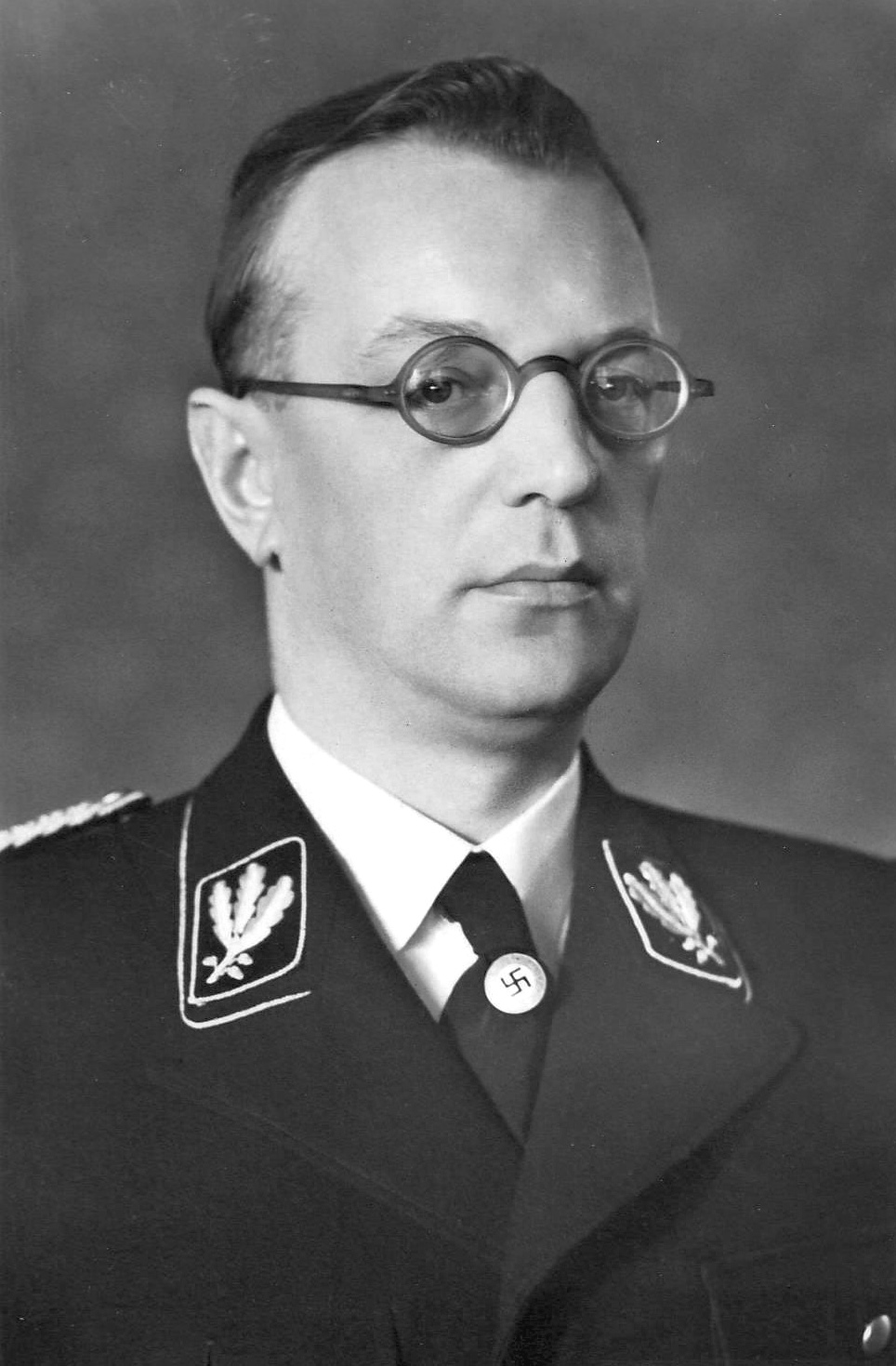
Portrait of Arthur Seyss-Inquart

Portrait: Wikidata/Wikimedia Commons — See Wikimedia Commons source page · source

nazisme / Anschluss / occupation / Shoah / crimes de guerre

Arthur Seyss-Inquart

Fiche documentée couvrant 10 controverses, dont « Février–mars 1938 : nomination comme ministre de l’Intérieur et de la Sécurité sous pression hitlérienne » et « 11–13 mars 1938 : chancelier lors de l’Anschluss et participation à l’incorporation de l’Autriche au Reich ».

Your opinion of this profile

Profile No. 2649 · Updated on 25 September 2026

10Documented controversies
9Sources
0Formal charge · all time
5Convictions

I. Documented controversies

01

avril–16 octobre 1946

1945 : limitation de la terre brûlée, négociations de ravitaillement puis condamnation à mort à Nuremberg

Conviction

Not yet available in English — French original shown.

Dans les dernières semaines de la guerre, Seyss-Inquart freine une politique de destruction totale et accepte les négociations permettant les largages alimentaires alliés. Ces éléments favorables n’empêchent pas le Tribunal de le déclarer coupable de crimes contre la paix, crimes de guerre et crimes contre l’humanité ; il est pendu le 16 octobre 1946.

Sources · 3

  1. [1]
    Nederlands Instituut voor Militaire HistorieOperaties Manna en ChowhoundVery high reliability
  2. [2]
    Avalon Project / Yale Law SchoolJudgment: Seyss-InquartVery high reliability
  3. [3]
    Memorium Nuremberg TrialsVerdicts of the IMTVery high reliability

Last verified: 14 September 2026

02

1941–mai 1945

1941–1945 : représailles, exécutions d’otages et répression de la résistance néerlandaise

Conviction

Not yet available in English — French original shown.

Sous son régime, des otages et résistants sont exécutés en représailles. Le Tribunal reconnaît qu’il n’ordonne pas personnellement chaque exécution et qu’il tente parfois de réduire certains quotas, mais le juge participant conscient et volontaire aux crimes commis dans l’occupation.

State of the evidence
Established by a court

Sources · 2

  1. [1]
    United States Holocaust Memorial MuseumArthur Seyss-InquartVery high reliability
  2. [2]
    Avalon Project / Yale Law SchoolJudgment: Seyss-InquartVery high reliability

Last verified: 14 September 2026

03

septembre 1944–hiver 1944-1945

Septembre 1944–hiver 1945 : embargo de transport après la grève ferroviaire et contribution à la crise alimentaire de l’Ouest néerlandais

No legal proceedings

Not yet available in English — French original shown.

Après la grève ferroviaire, Seyss-Inquart interdit temporairement les transports de marchandises par voie d’eau, aggravant l’isolement alimentaire de l’Ouest. La famine résulte toutefois aussi de la guerre, de la grève, du gel des voies d’eau, des réquisitions et de l’effondrement logistique.

Sources · 2

  1. [1]
    SpoorwegmuseumThe Railway strikemuseumHigh reliability
  2. [2]

Last verified: 14 September 2026

04

été 1942–septembre 1944

1942–1944 : déportation de la majorité des Juifs des Pays-Bas vers Auschwitz et d’autres camps

Conviction

Not yet available in English — French original shown.

Les déportations depuis Westerbork commencent en 1942. Seyss-Inquart, en tant que chef du régime civil d’occupation, partage la responsabilité de la déportation des Juifs néerlandais vers Auschwitz et d’autres camps de mise à mort ou de concentration.

Sources · 3

  1. [1]
    United States Holocaust Memorial MuseumArthur Seyss-InquartVery high reliability
  2. [2]
    Avalon Project / Yale Law SchoolJudgment: Seyss-InquartVery high reliability
  3. [3]
    United States Holocaust Memorial MuseumThe NetherlandsVery high reliability

Last verified: 14 September 2026

05

1942–1944

1942–1944 : travail forcé et déportation de travailleurs néerlandais au profit du Reich

Conviction

Not yet available in English — French original shown.

L’occupation allemande impose le travail forcé et envoie de nombreux Néerlandais travailler en Allemagne ou sur des projets militaires. Seyss-Inquart participe au dispositif d’exploitation économique du pays occupé.

Sources · 2

  1. [1]
    Avalon Project / Yale Law SchoolJudgment: Seyss-InquartVery high reliability
  2. [2]
    United States Holocaust Memorial MuseumThe NetherlandsVery high reliability

Last verified: 14 September 2026

06

mai 1940–1942

1940–1942 : mise en place aux Pays-Bas d’une administration d’occupation et d’un système de discrimination antijuive

Status not specified

Not yet available in English — French original shown.

Comme Reichskommissar, Seyss-Inquart préside l’administration civile allemande qui exclut les Juifs de la fonction publique, impose l’enregistrement des personnes et des biens, organise la ségrégation et prépare leur concentration et déportation.

Sources · 2

  1. [1]
    United States Holocaust Memorial MuseumThe NetherlandsVery high reliability
  2. [2]
    Avalon Project / Yale Law SchoolJudgment: Seyss-InquartVery high reliability

Last verified: 14 September 2026

07

1939–mai 1940

1939–1940 : adjoint de Hans Frank dans le Gouvernement général de Pologne occupée

Status not specified

Not yet available in English — French original shown.

Avant sa nomination aux Pays-Bas, Seyss-Inquart sert comme adjoint de Hans Frank dans le Gouvernement général de Pologne occupée, au sein d’un régime d’occupation déjà marqué par la terreur, les spoliations et les persécutions raciales.

Sources · 1

  1. [1]
    United States Holocaust Memorial MuseumArthur Seyss-InquartVery high reliability

Last verified: 14 September 2026

08

1938–1939

1938–1939 : Reichsstatthalter d’Autriche et consolidation du régime nazi après l’Anschluss

Status not specified

Not yet available in English — French original shown.

Seyss-Inquart devient gouverneur du Reich en Autriche pendant la consolidation du pouvoir nazi, période marquée par la suppression de l’État autrichien indépendant et l’intégration accélérée aux institutions du Reich.

Sources · 2

  1. [1]
    United States Holocaust Memorial MuseumArthur Seyss-InquartVery high reliability
  2. [2]
    Avalon Project / Yale Law SchoolJudgment: Seyss-InquartVery high reliability

Last verified: 14 September 2026

09

12 février–11 mars 1938

Février–mars 1938 : nomination comme ministre de l’Intérieur et de la Sécurité sous pression hitlérienne

Status not specified

Not yet available in English — French original shown.

À Berchtesgaden, Hitler menace l’Autriche d’invasion et obtient notamment la nomination de Seyss-Inquart comme ministre de l’Intérieur et de la Sécurité, lui donnant un levier sur la police au moment décisif de la crise.

Sources · 2

  1. [1]
    United States Holocaust Memorial MuseumNazi Territorial Aggression: The AnschlussVery high reliability
  2. [2]
    Avalon Project / Yale Law SchoolJudgement: The Invasion of AustriaVery high reliability

Last verified: 14 September 2026

10

11–13 mars 1938

11–13 mars 1938 : chancelier lors de l’Anschluss et participation à l’incorporation de l’Autriche au Reich

Conviction

Not yet available in English — French original shown.

Après la démission forcée de Schuschnigg, Seyss-Inquart devient chancelier. L’armée allemande entre en Autriche et l’État autrichien est ensuite incorporé au Reich ; Seyss-Inquart devient l’un des principaux responsables autrichiens du nouveau régime.

Sources · 2

  1. [1]
    United States Holocaust Memorial MuseumNazi Territorial Aggression: The AnschlussVery high reliability
  2. [2]
    Avalon Project / Yale Law SchoolJudgment: Seyss-InquartVery high reliability

Last verified: 14 September 2026

II. Constellation of documented links

Each link refers to an imported relation or to a documented mention in a profile. A documented mention does not, on its own, prove a personal relationship.

List of documented links
  1. Mars2 references
    • Mentioned in “Février–mars 1938 : nomination comme ministre de l’Intérieur et de la Sécurité sous pression hitlérienne” — Arthur Seyss-Inquart's profile cites Mars.
    • Mentioned in “11–13 mars 1938 : chancelier lors de l’Anschluss et participation à l’incorporation de l’Autriche au Reich” — Arthur Seyss-Inquart's profile cites Mars.
  2. Hans Frank1 reference
    • Mentioned in “1939–1940 : adjoint de Hans Frank dans le Gouvernement général de Pologne occupée” — Arthur Seyss-Inquart's profile cites Hans Frank.

III. Your opinion of this profile

One opinion per browser, which you can change at any time. It rates the quality of the profile, not the person.

IV. Has something changed?

A new court decision, a missing source, a mistake? Tell us what should be updated: every request is read by the editorial team.